April 13, 2026
Understanding the importance of septic tank maintenance is crucial for homeowners. A well-maintained septic system enhances safety, health, and property value while preventing costly repairs. This article offers comprehensive guidelines to help you maintain your septic tank effectively. Detailing the inner workings of your septic system, it highlights key maintenance practices you should adopt. With an emphasis on sustainable usage and adherence to local regulations, the goal is to provide a roadmap for efficient management of septic systems through proper septic tank maintenance.
Understanding Your Septic System
At the heart of a septic system lies the septic tank itself, a watertight container usually made of concrete, fiberglass, or polyethylene. Its main function is to temporarily hold waste before it is processed and discharged. The drain field, another integral component, distributes the filtered liquid waste from the septic tank over a large area of soil. This system also includes pipes connecting these parts, allowing matter to move seamlessly. Finally, the soil absorption system plays a crucial role, filtering contaminants before they reach groundwater.
Knowing How a Septic System Works
When waste enters the septic tank, it naturally separates into three layers: solids, effluent, and scum. Solids settle on the bottom and are decomposed by bacteria, while lighter scum floats on top. The liquid waste, or effluent, flows out of the tank into the drain field for further treatment. Here, soil microorganisms break down harmful pathogens, purifying the water before it seeps into groundwater reserves. This natural cycle underscores the efficiency of septic systems when supported by consistent septic tank maintenance.
Avoiding Common Septic System Issues
Septic systems, like any household system, may face a range of common issues. Frequent clogs often result from flushing inappropriate materials that are non-biodegradable. Leaks may occur due to cracks in the tank or faulty sealing, leading to potential contamination. Overflow is usually a sign of a saturated drain field, often caused by excessive water use. These issues can lead to system failure and environmental hazards, making routine septic tank maintenance essential.
Seeing These Signs of Septic System Failure
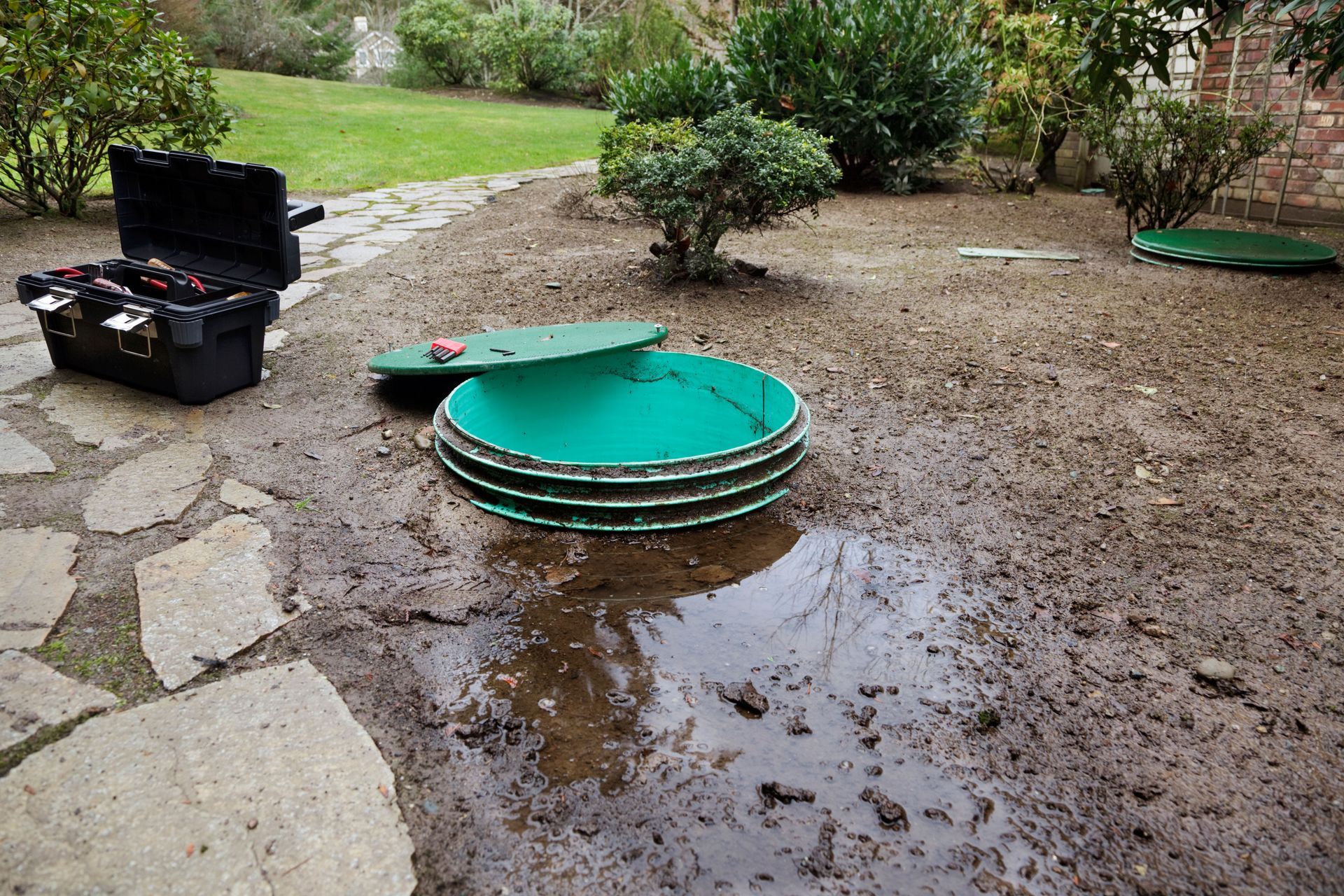
Early warning signs of septic system failure include slow-draining sinks, showers, or toilets, and persistent foul odors coming from drains or the yard. Gurgling sounds in plumbing fixtures may also indicate that the system is struggling to process wastewater properly. Unexplained lush spots, soggy patches, or water pooling in the yard—especially near the drain field—often point to leakage or an oversaturated system. In some cases, homeowners may even notice sewage backing up into lower-level drains, which is a serious indicator that immediate attention is required. A rise in alarm triggers in advanced septic systems can also signal pump malfunctions, high water levels, or electrical issues that should not be ignored. Recognizing these warning signs early reinforces the importance of timely septic tank maintenance.
Learning the Environmental Impact of Poor Maintenance
Neglecting septic system upkeep has a significant environmental footprint. Failed systems can release untreated wastewater, contaminating soil and local water bodies. This contamination threatens aquatic life and can render local water sources unsafe for human use. Increased nutrient loads from waste products can also lead to harmful algal blooms, disrupting local ecosystems. Committing to regular septic tank maintenance, therefore, is not only a personal responsibility but an environmental imperative.
Recommending a Septic Tank Inspection Schedule
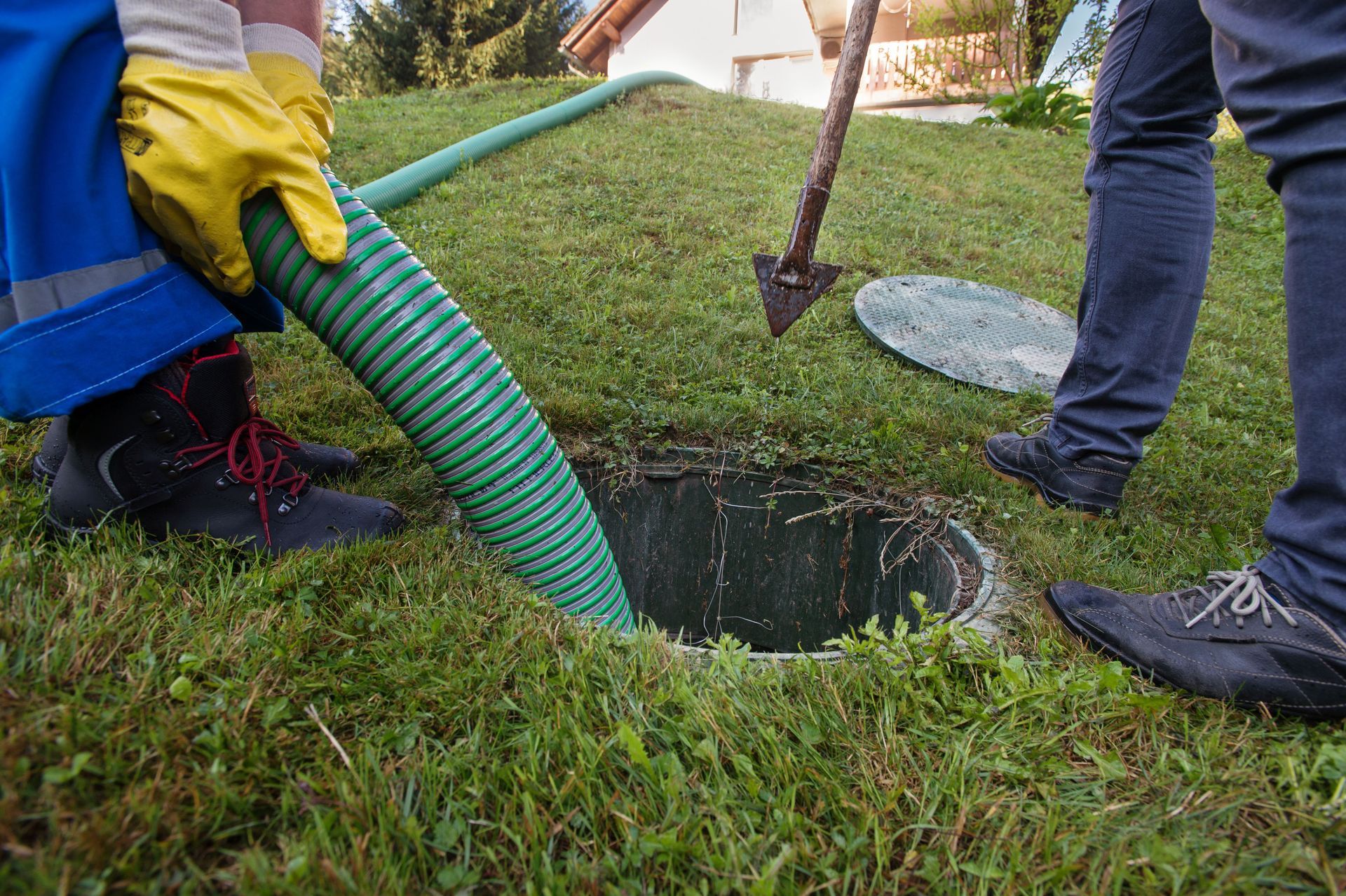
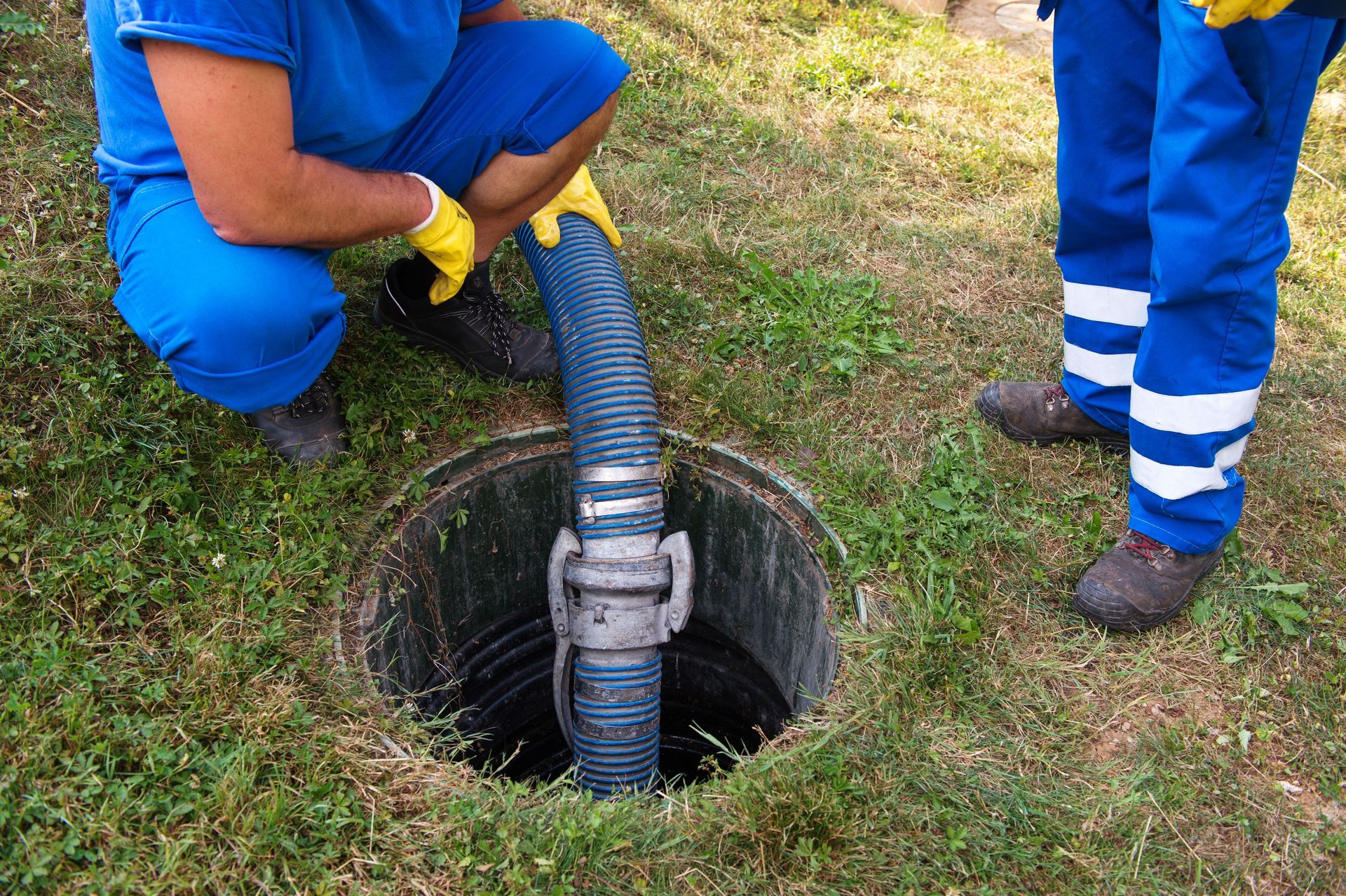
Experts recommend inspecting a septic system every three to five years. This schedule ensures the timely identification of potential issues before they escalate. Septic tanks should be pumped at least every three years, though frequency may vary based on usage and household size. Regular inspection by professionals guarantees that all components function optimally. Following a consistent septic tank maintenance schedule safeguards system longevity and prevents expensive emergency repairs.
Preparing for What to Expect During an Inspection
During a professional inspection, technicians evaluate critical elements of the septic system. They check for cracks or damage in the tank, measure the scum and sludge layers, and assess the drainage field's condition. The technician will also ensure that effluent filters are clean and functioning efficiently. This thorough examination ensures that minor issues are addressed before becoming major problems. A detailed report often follows, highlighting any necessary maintenance actions.
Hiring Professional Services
Choosing reputable septic tank service providers is essential for reliable maintenance and repairs. Homeowners should prioritize companies with established credentials, positive reviews, and appropriate licensing. Asking for recommendations from friends or neighbors can also lead to trustworthy professionals. It's vital to ensure that any service provider respects safety protocols and industry standards. This careful selection process guarantees effective septic tank maintenance and extends the system's lifespan.
Developing a Long-Term Maintenance Schedule
Developing a long-term maintenance plan is vital for the continued efficiency of septic systems. By documenting inspection and pumping schedules, homeowners ensure timely interventions. Planning for potential upgrades and keeping abreast of new technologies can lead to enhancements without interruptions. It’s also advantageous to budget for regular maintenance to prevent financial strain during emergencies. A proactive approach, grounded in planning, ensures the septic system remains an asset rather than a liability.
Understanding What Not to Flush
Responsible septic system use begins with understanding what not to flush. Items such as non-biodegradable wipes, feminine hygiene products, and paper towels can obstruct pipes. Harsh chemicals like bleach or pesticides damage the delicate bacterial balance within the tank. Additionally, avoiding grease and oils helps maintain the system's operational integrity. Adopting these practices preserves not only the plumbing but also the ecosystem reliant on the septic system itself.
Implementing Eco-Friendly Household Products
Homeowners can further protect their septic systems by opting for eco-friendly household products. Biodegradable cleaners and detergents reduce harmful chemical buildup within the tank. Such products not only preserve tank bacteria critical for waste breakdown but also align with environmental sustainability. Consumers should be vigilant, reading product labels to ensure septic safety. A minor change in consumer habits can substantially benefit both the system and the surrounding natural community.
Managing Water Usage
Efficient water management is crucial to prevent septic system overload. Simple strategies, such as fixing leaks promptly and using water-saving fixtures, substantially reduce water usage. Homeowners should consider staggered usage of water-heavy appliances like washing machines. During events or gatherings, utilizing portable toilets can alleviate pressure on the residential septic system. According to Evreka, general guidelines suggest having one portable toilet for every 50-75 people for events up to 4 hours, increasing the ratio for longer events or those with high alcohol consumption.
Disposing of Hazardous Waste Properly
Proper disposal of hazardous waste is vital to maintaining system health and safeguarding the environment. Substances like paints, solvents, and expired medications should never enter the septic system. Many communities offer designated hazardous waste disposal programs for safe collection. Educating all household members on appropriate waste disposal reinforces these practices. Community-level initiatives can also provide resources and information.
Regular maintenance is paramount in ensuring the efficient operation and longevity of septic systems. By understanding system components, implementing responsible usage practices, and staying informed about local regulations, homeowners can safeguard their investment and protect the environment. By taking a proactive stance through consistent septic tank maintenance, the risk of expensive emergencies diminishes, while system efficacy and property value increase. Engaging in sustainable practices further conserves resources and supports ecological health. Ultimately, educated and responsible management underpins a successful and reliable septic system. Are you looking to hire a team of professionals to inspect your septic tank system near Olympia, WA, and the surrounding areas? Then contact the team you can depend on at Howdys Doody Service, Inc.