October 18, 2026
If your home relies on a septic system, regular care is one of the most important things you can do to protect your property and avoid costly repairs. Unlike homes connected to a municipal sewer line, septic systems treat household wastewater right on your property. When everything is working properly, it's easy to forget the system is even there. But without routine attention, solids can build up, drains can back up, and the drain field can fail, leading to expensive repairs or even full system replacement. Knowing how often to schedule service and what affects that timeline can help keep your system running smoothly for decades.
Understanding How a Septic System Works
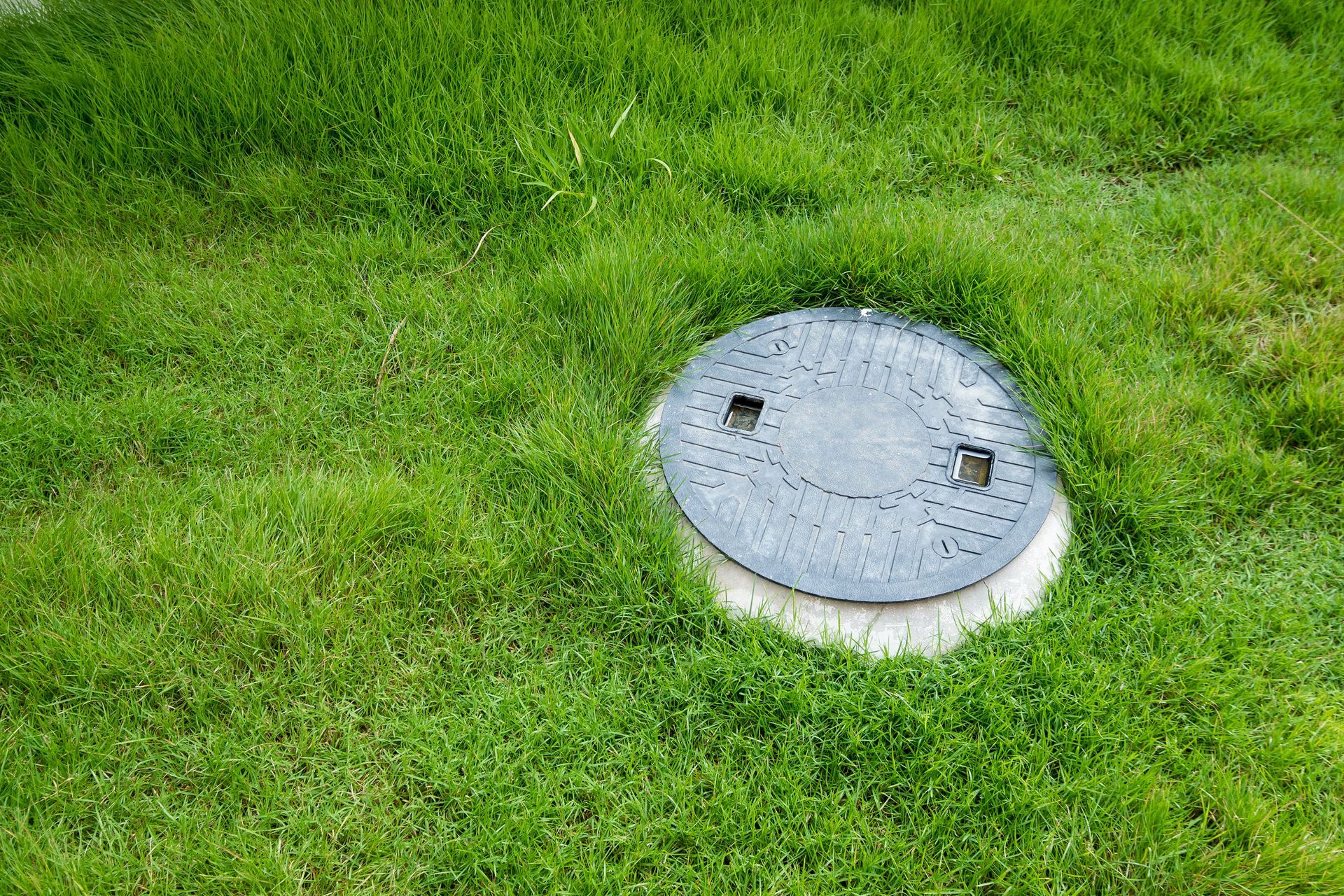
A typical septic system includes a buried tank and a drain field, also called a leach field. Wastewater from sinks, toilets, showers, and appliances flows into the tank, where solids settle to the bottom and form a sludge layer. Fats, oils, and lighter materials float to the top and form a scum layer. Bacteria inside the tank break down some of this waste, while the partially treated liquid in the middle flows out into the drain field, where it filters through the soil. Over time, sludge and scum accumulate faster than bacteria can break them down. If the tank becomes too full, solids can escape into the drain field and clog the soil, causing serious system problems. Routine septic maintenance helps prevent that buildup from reaching harmful levels.
Following a General Pumping Schedule
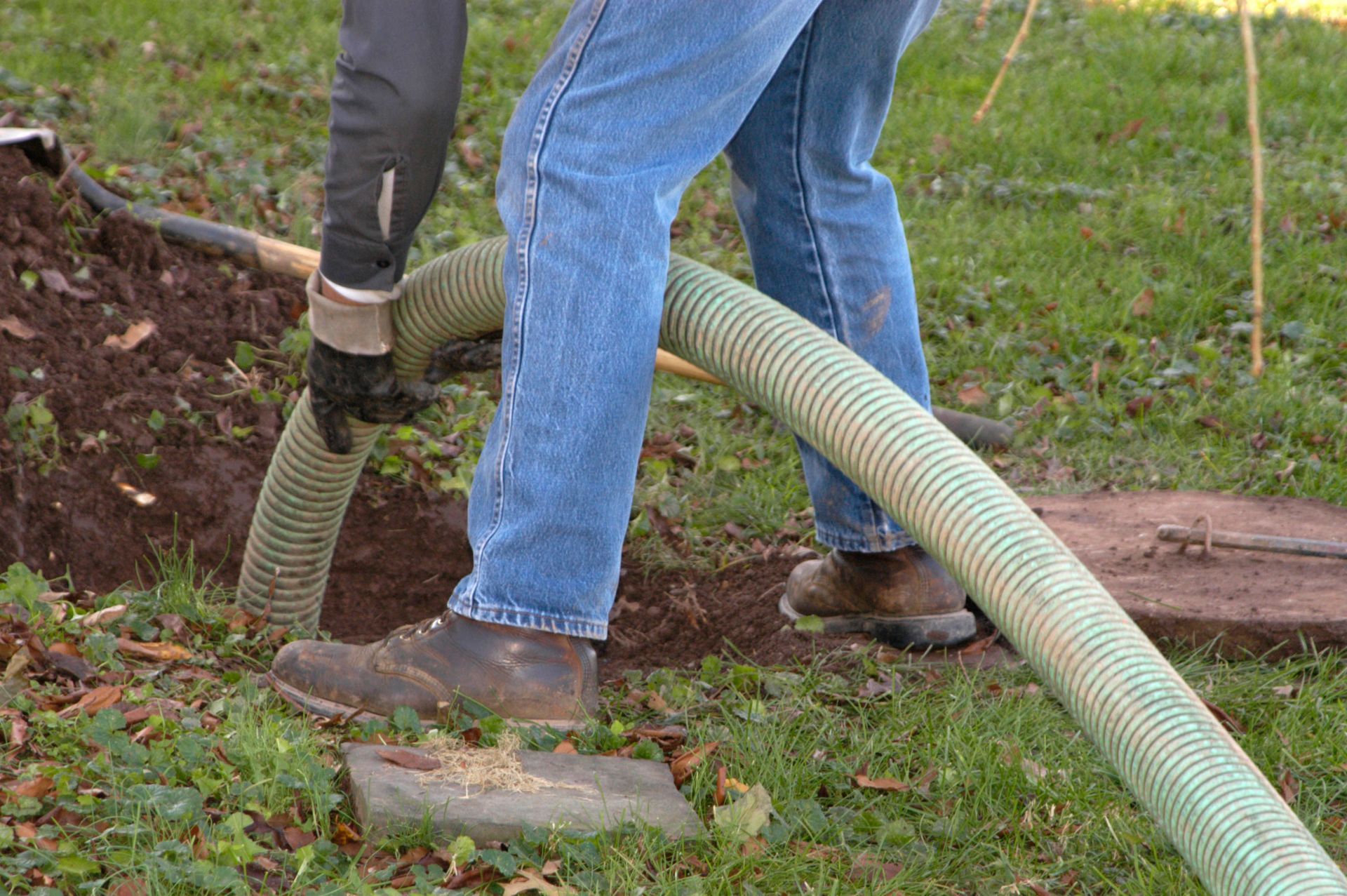
Most septic tanks need to be pumped every three to five years, though the right timing varies from one household to another. Pumping removes the sludge and scum that bacteria can't fully break down, restoring the tank's capacity and protecting the drain field. Some homes may need pumping more often, while others with fewer occupants and lighter water use can go longer between service visits. Inspections are also important. Many professionals recommend having the system inspected every one to three years to check sludge levels, look for leaks, and make sure components are functioning properly. Regular inspections allow technicians to recommend the ideal pumping schedule based on how quickly solids are building up in your tank.
Considering Household Size and Water Use
The number of people living in your home has a major impact on how often your septic system needs service. More occupants mean more wastewater and solids entering the tank, which fills it faster. A family of five will typically need more frequent pumping than a couple living in the same size home. Water habits also play a role. Long showers, frequent laundry loads, running the dishwasher often, and leaky fixtures can all push more water through the system, reducing the time wastewater has to separate inside the tank. Spreading out laundry loads, fixing leaks promptly, and using water-efficient fixtures can help reduce strain. A septic maintenance plan tailored to your household's size and habits helps keep the system working efficiently.
Factoring In Tank Size
Septic tanks come in a range of sizes, and larger tanks can hold more waste before they need to be pumped. Many residential tanks hold between 750 and 1,500 gallons, depending on the size of the home and local regulations. A smaller tank serving a busy household may need to be pumped every couple of years, while a larger tank serving fewer people may last longer between services. If you're not sure how large your tank is, a septic professional can locate it, measure its capacity, and help determine an appropriate service schedule. Keeping a record of your tank size and service history also makes future planning much easier.
Watching for Warning Signs
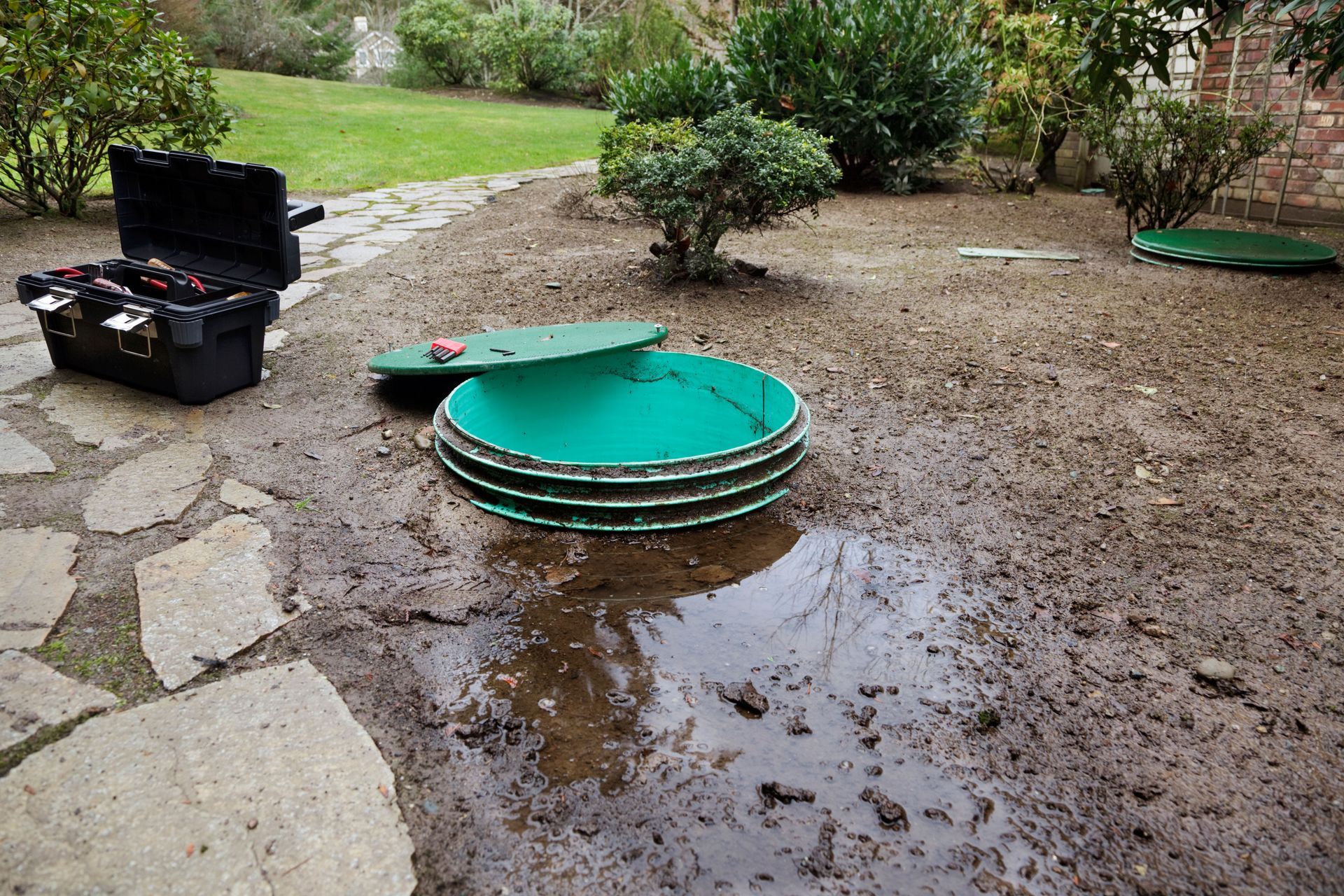
Even with a regular schedule, it's important to pay attention to signs that your system may need attention sooner. Slow drains throughout the house, gurgling sounds in pipes, sewage odors indoors or outdoors, and water backing up into sinks, tubs, or toilets can all point to a full tank or a blockage. Outside, soggy ground, standing water, or unusually lush, green grass over the drain field may indicate that wastewater isn't being absorbed properly. Some of these symptoms can also come from clogged plumbing rather than the tank itself. According to HomeGuide, professional drain cleaning is recommended when you notice slow drains, foul odors, gurgling pipes, or backups, or when it's been more than 24 months since your last pipe cleaning. A professional can determine whether the issue is in your drain lines, your septic tank, or both.
Avoiding Habits That Shorten Service Intervals
What goes down your drains has a big effect on how often your septic system needs service. Grease, cooking oil, coffee grounds, and food scraps can add solids and clog pipes. Flushing items like wipes, paper towels, feminine hygiene products, and dental floss can lead to blockages and faster sludge buildup. Harsh chemicals, including some drain cleaners and large amounts of bleach, can kill the beneficial bacteria that help break down waste. Garbage disposals also add a significant amount of solid material to the tank, which may require more frequent pumping. Being mindful of what enters your system helps extend the time between service visits and protects your drain field from damage.
Protecting the Drain Field
The drain field is one of the most expensive parts of a septic system to repair or replace, so protecting it is essential. Avoid parking vehicles or driving heavy equipment over the drain field, since the weight can compact soil and damage pipes. Plant only grass over the area, as tree and shrub roots can grow into the lines and cause blockages. Direct gutters, sump pumps, and surface water away from the drain field to prevent it from becoming oversaturated. Regular septic maintenance also protects the drain field by keeping solids in the tank where they belong, rather than allowing them to escape into the soil.
Keeping Detailed Service Records
Tracking your system's service history is one of the easiest ways to stay on schedule. Keep records of pumping dates, inspection results, repairs, and any recommendations from your service provider. These records help you know when the next visit is due and can reveal patterns, such as sludge building up faster than expected. They're also valuable if you plan to sell your home, since buyers and inspectors often ask for documentation showing the system has been properly maintained. Consistent septic maintenance records demonstrate that the system has been cared for and can help ease concerns during a real estate transaction.
Saving Money Through Prevention
Routine service may seem like an added expense, but it's far less costly than dealing with a failed septic system. Pumping and inspections cost a fraction of what it takes to repair a damaged drain field or replace an entire system. Sewage backups can also cause significant damage to flooring, walls, and personal belongings inside your home, along with health risks from exposure to untreated waste. Preventive care catches small problems early, extends the life of your system, and helps you avoid emergency repairs. Investing in regular septic maintenance is one of the smartest ways to protect your home, your property, and your budget.
At Howdys Doody Service, Inc, we help homeowners keep their septic systems running smoothly year after year. Our experienced team provides thorough pumping, inspections, and septic maintenance tailored to your household's size, water use, and system design. We'll help you understand how your system works, recommend the right service schedule, and identify small issues before they turn into costly repairs. We take pride in reliable service, honest recommendations, and treating every property with care. Contact Howdys Doody Service, Inc today to schedule your next septic service and keep your system in top condition.