October 14, 2026
A healthy septic system plays an important role in managing household wastewater safely and efficiently. Without proper care, issues such as backups, odors, drain field problems, and contamination can develop. Professional septic services help homeowners maintain system performance through inspections, maintenance, repairs, and timely septic pumping. Understanding how these services support a septic system can help homeowners protect their property and avoid preventable problems.
Understand Septic System Maintenance
Know the System Components
A septic system includes several components that work together to treat and manage wastewater. The septic tank receives wastewater from the home and separates solids from liquids. Solid waste settles at the bottom as sludge, while lighter materials float to the top as scum. The liquid effluent moves into the drain field, where it passes through the soil for additional treatment.
Recognize Common System Problems
Septic systems can develop problems when they are neglected, overloaded, or damaged. Common warning signs include slow drains, gurgling pipes, unpleasant odors, sewage backups, standing water, and unusually lush grass over the drain field. According to the EPA, in the United States, 10-18% of septic systems are failing. Recognizing these signs early can help homeowners address concerns before they become more extensive and expensive.
Maintain the Tank Regularly
Routine maintenance helps prevent solids from accumulating to dangerous levels. Septic pumping removes accumulated sludge and scum before they interfere with normal system operation. The appropriate schedule depends on factors such as household size, water usage, tank capacity, and the amount of solids entering the system. A professional can evaluate these factors and recommend a suitable maintenance schedule.
Monitor the Drain Field
The drain field is essential to the treatment process and should be protected from excessive wastewater, vehicle traffic, and other potential sources of damage. Standing water or sewage odors around the drain field may indicate that the area is struggling to absorb wastewater properly. Regular inspections can help identify potential drainage or treatment concerns before they result in a major system failure.
Use Professional Septic Services
Schedule Comprehensive Inspections
Professional inspections provide a closer look at the condition of the septic tank, drain field, pipes, and other system components. Technicians can check sludge and scum levels, identify leaks, and look for signs of damage or developing problems. These evaluations provide homeowners with useful information about current system performance and future maintenance needs.
Perform Thorough Tank Cleaning
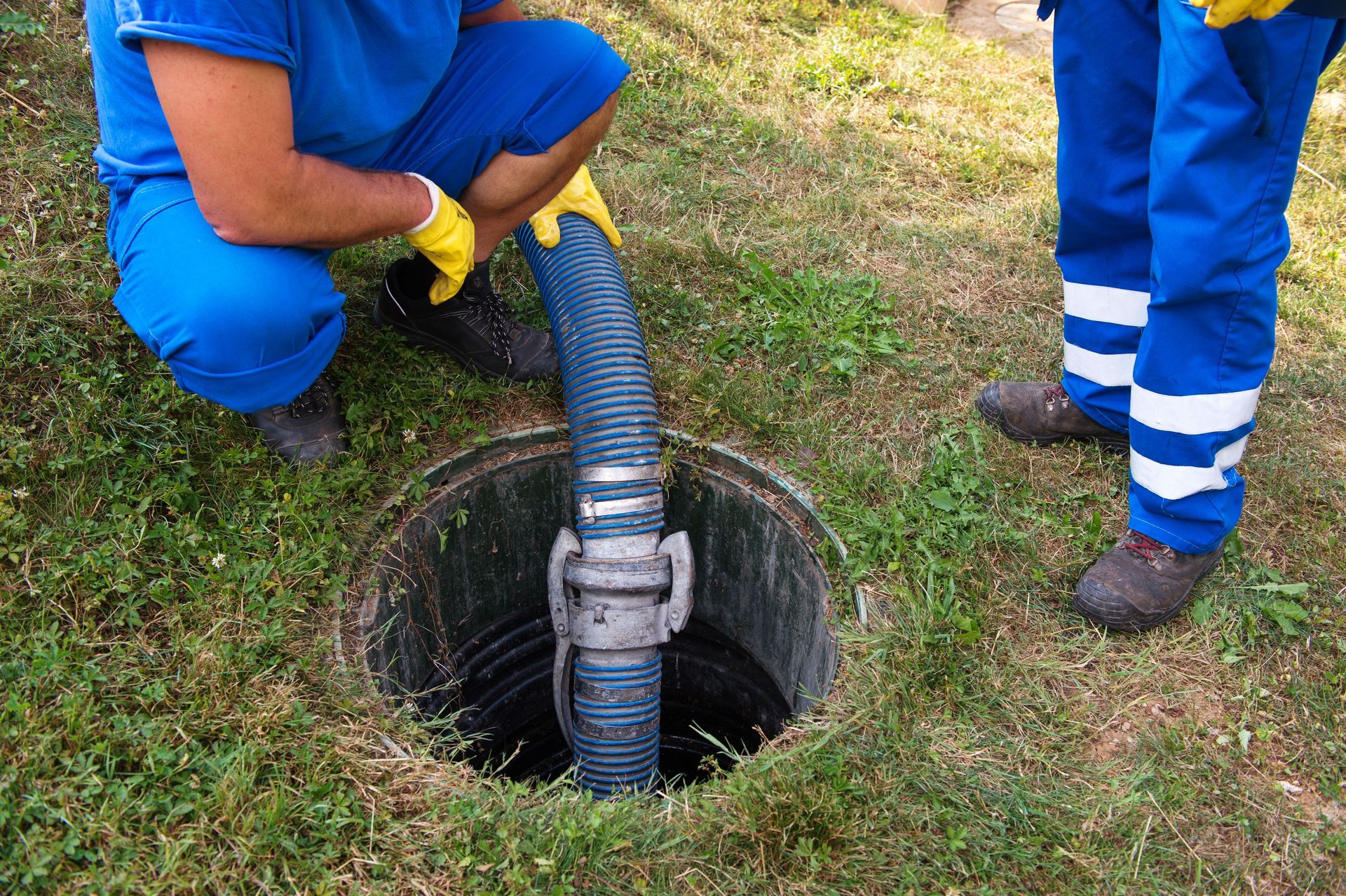
Septic pumping is one of the most important maintenance services for systems that rely on tanks to hold and separate wastewater solids. Professional technicians can remove accumulated waste efficiently while evaluating the tank for potential concerns. Keeping solids under control reduces the likelihood of blockages, backups, and other problems that can affect system performance.
Diagnose Developing Problems
When a septic system begins showing unusual symptoms, professional diagnosis can help determine the underlying cause. Problems may involve blockages, damaged components, excessive water use, or drain field issues. Rather than simply addressing the most obvious symptom, technicians can investigate the system as a whole and recommend solutions that address the source of the problem.
Use Specialized Equipment
Professional septic providers have access to equipment designed for inspections, cleaning, and repairs. Tools such as inspection cameras can help technicians examine pipes and identify potential obstructions or damage. Specialized equipment allows professionals to perform services more efficiently while reducing unnecessary disruption to the property.
Practice Preventive Septic Care
Follow a Maintenance Schedule
Preventative care is easier and often less expensive than dealing with an unexpected septic failure. Regular inspections and septic pumping help control solid buildup and give professionals an opportunity to identify developing concerns. Following a maintenance schedule also makes it easier for homeowners to keep track of important service needs instead of waiting until a noticeable problem occurs.
Manage Household Water Use
Excessive water use can place unnecessary strain on a septic system. Running multiple appliances at the same time or allowing plumbing problems to continue can send more wastewater into the system than it can efficiently process. Spreading laundry throughout the week, repairing leaks, and being mindful of water consumption can help reduce stress on the tank and drain field.
Protect the Drain Field
Homeowners should avoid driving or parking heavy vehicles over the drain field because excessive weight can damage underground components and compact the soil. Landscaping decisions also matter. Deep-rooted plants and trees should be carefully positioned so their roots do not interfere with septic components. Maintaining the area properly helps preserve its ability to absorb and treat wastewater.
Reduce Long-Term Repair Costs
Preventative maintenance can help homeowners avoid the higher costs associated with major septic failures. Small problems are generally easier to address when they are discovered early. Regular inspections, appropriate septic pumping, and responsible water usage can reduce unnecessary strain on the system and help extend the useful life of its components.
Respond to Septic Emergencies
Identify Emergency Warning Signs
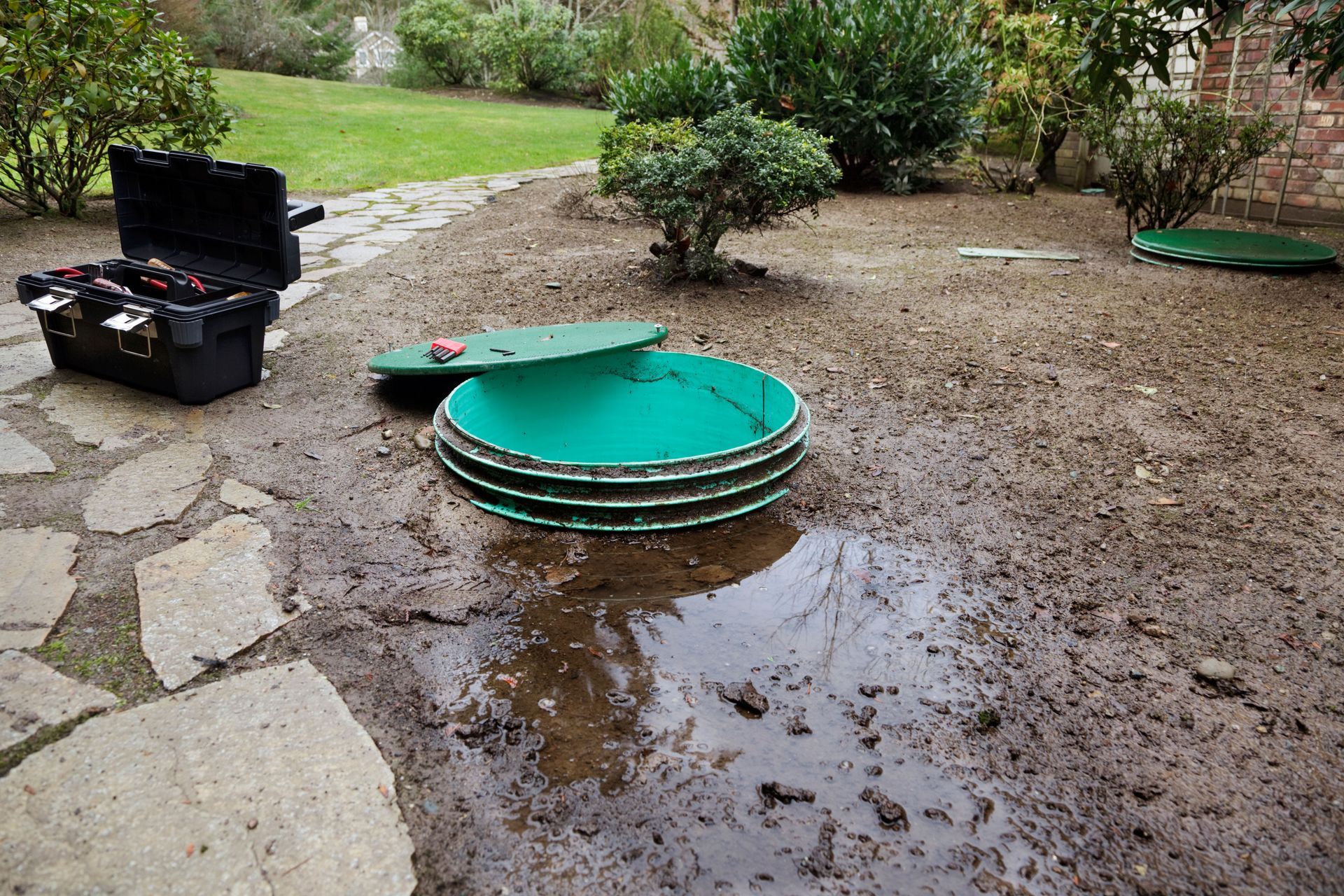
Some septic problems require immediate professional attention. Sewage backing up into a home, wastewater surfacing in the yard, strong sewage odors, or widespread drainage problems can indicate a serious issue. Homeowners should avoid ignoring these signs because continued use of a malfunctioning system can increase property damage and create sanitation concerns.
Address Problems Promptly
A professional emergency service can help contain a septic problem before it becomes more extensive. Technicians can assess the system, determine the likely source of the issue, and recommend appropriate repairs or cleaning. Prompt attention can also help reduce the likelihood of wastewater reaching areas where it could affect people, soil, or nearby water sources.
Restore Proper System Function
Emergency services should address both the immediate symptoms and the underlying cause whenever possible. Depending on the situation, this may involve clearing a blockage, repairing a damaged component, addressing a drain field concern, or performing septic pumping. A thorough approach helps restore reliable operation while reducing the risk of repeated emergencies.
Prevent Recurring Emergencies
After an emergency has been resolved, homeowners should follow professional recommendations for ongoing care. Adjusting water usage, scheduling inspections, and maintaining an appropriate pumping schedule can help prevent similar problems. Taking these steps turns an emergency response into an opportunity for better long-term system management.
Select the Right Septic Service Provider
Evaluate Experience and Services
Homeowners should look for septic professionals with experience handling inspections, maintenance, pumping, repairs, and emergency situations. A provider that can address different aspects of septic care can make it easier to maintain a consistent service schedule and respond when unexpected issues arise.
Verify Licensing and Credentials
Appropriate licensing and credentials can help homeowners identify qualified professionals. Homeowners should also consider whether a provider understands applicable local requirements and follows established safety and environmental practices. Asking about qualifications before scheduling service can provide greater confidence in the work being performed.
Compare Service Options
When comparing septic providers, homeowners should consider more than the initial price. Service offerings, responsiveness, experience, communication, and maintenance recommendations can all affect the overall value of professional care. A clear understanding of what each service includes can also help prevent unexpected costs.
A dependable septic provider can become a valuable partner in protecting the long-term performance of a septic system. Regular inspections, timely septic pumping, preventative maintenance, and prompt repairs can help homeowners avoid unnecessary disruptions and protect their investment.
For dependable septic care and professional assistance with maintaining a healthy wastewater system, contact Howdys Doody Service, Inc to discuss your septic service needs and establish an appropriate maintenance plan.