September 30, 2026
Maintaining a healthy household infrastructure requires paying attention to utilities that operate behind the scenes. Homeowners often overlook wastewater management until a major problem arises and disrupts daily life. When a plumbing network fails, it brings significant stress, unpleasant odors, and expensive repairs. Preventing these disastrous scenarios requires a proactive approach to property maintenance. A fundamental part of this proactive strategy is partnering with a reliable septic pumping service to manage waste buildup effectively. Taking the right steps at the right time ensures long-term operational success for underground waste repositories. An informed property owner makes better decisions, protects the surrounding environment, and preserves property value. By adopting a systematic approach to maintenance, you can avoid unexpected emergencies and keep everything flowing smoothly for the foreseeable future.
Understanding the Basic Mechanics
Every property owner should comprehend the fundamental operation of their underground wastewater treatment infrastructure. A standard arrangement consists of a primary holding tank and an adjacent absorption field. All liquid and solid waste from the household travels through primary pipes into the buried container. Once inside, the material separates naturally into distinct layers. Heavy solid waste sinks to the bottom to form sludge, while lighter organic matter floats to the top to create a scum layer. The semi-clear liquid in the middle represents the effluent, which gradually flows outward into the surrounding soil for final natural filtration. The biological environment inside the container relies on naturally occurring bacteria to break down the solid materials continually. Disrupting this biological balance leads to rapid accumulation and potential system failure. Understanding this natural separation process highlights why regular monitoring remains so critical for long-term functionality. When property owners grasp these underlying mechanics, they quickly realize why hiring a professional septic pumping service is a non-negotiable aspect of homeownership. Without professional intervention to remove the indestructible bottom layer of sludge, the holding container will eventually overflow and ruin the delicate absorption field.
Practicing Smart Water Conservation
An overwhelming volume of liquid entering the underground holding container poses a severe threat to the natural separation process. When a household uses excessive amounts of water in a short period, it forcefully pushes liquid through the container before the solid waste has enough time to settle at the bottom. This rapid movement flushes solid materials directly into the delicate absorption field, causing immediate clogs and extensive property damage. Implementing smart water conservation strategies significantly reduces the daily strain on your wastewater infrastructure. Property owners should start by repairing any dripping faucets or running toilets immediately, as continuous minor leaks waste vast amounts of liquid over time and create unnecessary burdens. Furthermore, upgrading to high-efficiency showerheads and modern low-flow toilets drastically cuts down on unnecessary water usage without sacrificing daily household comfort. Homeowners must also learn to space out heavy water usage tasks throughout the week rather than completing them all on the same day. For instance, running multiple loads of laundry consecutively floods the underground network and completely disrupts the natural biological breakdown process. Spacing out these necessary chores allows the absorption area enough time to process the incoming effluent safely and naturally. Combining these thoughtful conservation habits with the dependable expertise of a reputable septic pumping service creates a resilient and long-lasting wastewater treatment framework for your entire property.
Disposing of Household Waste Properly
The various items flushed down household drains and toilets have a direct and immediate impact on the internal biological environment of a wastewater holding container. The underground ecosystem requires highly specific conditions to digest and break down organic material efficiently. Flushing non-biodegradable items destroys this delicate balance and inevitably leads to rapid physical blockages. Property owners must enforce strict rules about what enters the plumbing network to ensure operational longevity and prevent frustrating backups. Items like paper towels, feminine hygiene products, dental floss, and flushable wipes should never enter the underground holding tank under any circumstances. Despite their highly misleading packaging, flushable wipes fail to dissolve quickly and routinely cause massive structural clogs that require expensive emergency plumbing interventions. Additionally, households must strictly restrict the disposal of harsh chemical cleaners, antibacterial soaps, and heavily concentrated detergents down the drain. These highly toxic substances aggressively kill the beneficial bacteria responsible for digesting solid waste, causing internal sludge levels to rise at an alarming rate. Kitchen grease, fats, and cooking oils represent another major household hazard, as they quickly solidify inside pipes and create dense, impenetrable barriers. Maintaining these strict daily disposal habits minimizes the heavy lifting required when your scheduled septic pumping service arrives to effectively clear the naturally accumulated organic sludge.
Protecting the Exterior Drain Field
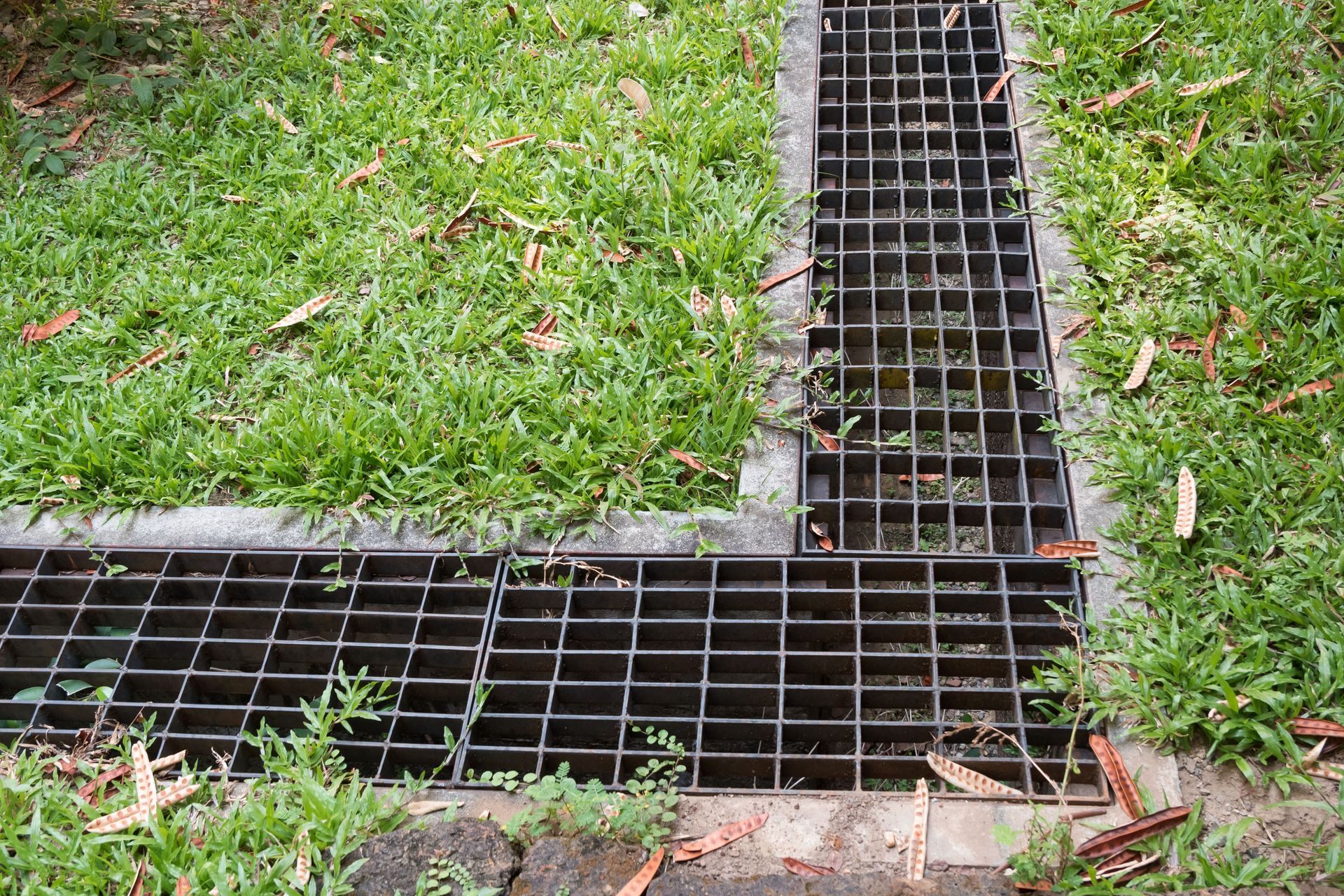
The outdoor absorption area serves as the final and absolutely most crucial component of the entire wastewater treatment process on your property. This designated section of land contains a complex network of perforated pipes buried in carefully constructed gravel trenches, designed to release treated effluent back into the natural soil safely. Compacting the earth above this critical zone prevents the necessary oxygen exchange and easily crushes the fragile underground pipes. Therefore, property owners must strictly prohibit parking automobiles, driving heavy landscaping machinery, or placing massive temporary structures over the designated absorption area. Even seemingly harmless backyard additions like above-ground pools, heavy storage sheds, or large playsets cause irreversible damage to the underlying soil structure and compromise system drainage. Furthermore, carefully managing the surrounding landscaping prevents devastating and costly root intrusion. Homeowners must actively avoid planting trees or large woody shrubs anywhere near the absorption trenches, as aggressive root systems naturally seek out the continuous moisture and nutrients found within the buried pipes. Additionally, property owners must direct all rainwater runoff from roof gutters, driveway drains, and patio slopes away from the absorption zone to prevent total soil saturation during storms. Keeping this exterior area undisturbed and consistently dry ensures maximum soil efficiency and perfectly complements the routine care provided by a trusted septic pumping service.
Scheduling Routine Professional Maintenance
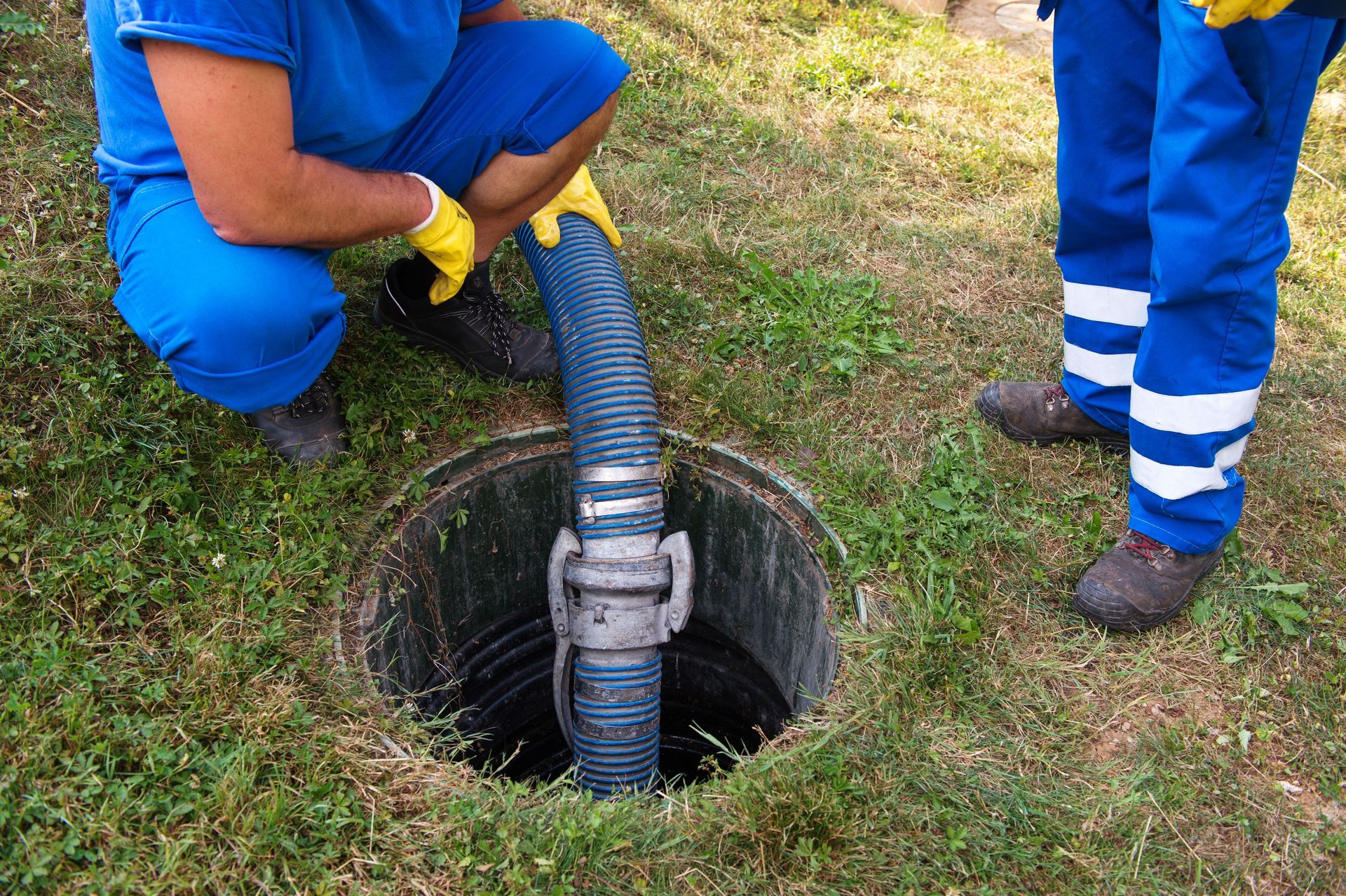
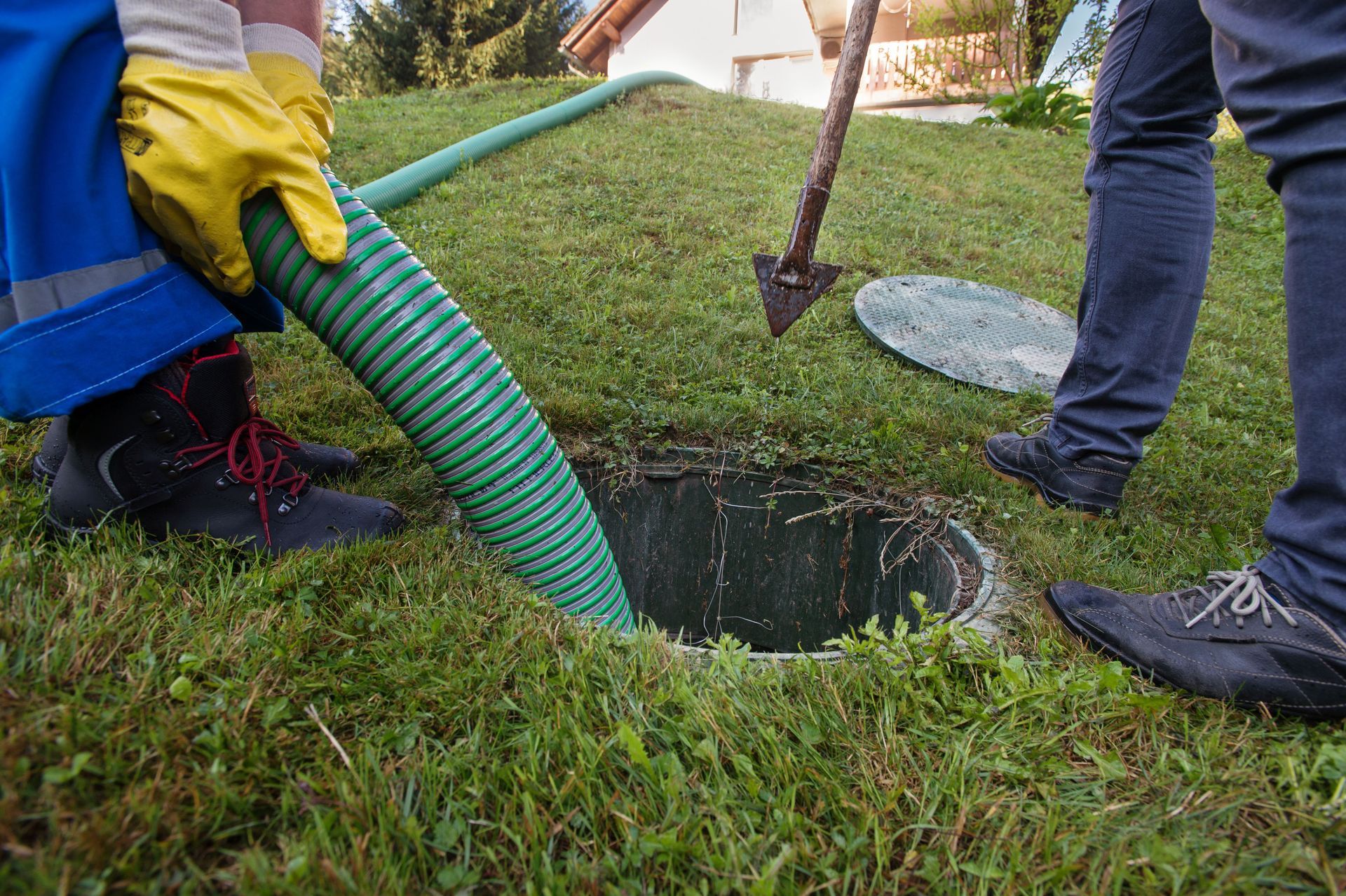
No matter how carefully a dedicated household manages its daily water usage and controls its waste disposal, solid sludge will inevitably accumulate at the very bottom of the underground holding container. This completely natural biological accumulation requires specialized mechanical removal to prevent the dense solid mass from eventually reaching the outlet baffle and destroying the exterior absorption field. Engaging in routine professional maintenance serves as the ultimate, foolproof safeguard against catastrophic residential plumbing failures. Property owners must establish a consistent, ongoing relationship with a qualified waste management professional to monitor the internal sludge levels accurately and safely. According to Bob Vila, a septic tank should be pumped and emptied every three to five years. Adhering closely to this specific professional timeframe prevents the solid accumulation from ever reaching dangerous operational thresholds that threaten your property. During a routine maintenance visit, highly trained technicians not only extract the accumulated sludge but also perform a comprehensive visual inspection of the internal structural integrity. Catching these seemingly minor structural issues early prevents complete systemic failure down the line and saves unnecessary replacement costs. Partnering with a dedicated septic pumping service ensures your entire property remains completely safe, perfectly sanitary, and fully operational for decades to come.
Maintaining a highly efficient household wastewater infrastructure relies entirely on consistent daily habits and proactive professional interventions. Property owners who fully understand the basic mechanics, practice strict water conservation, and meticulously monitor their waste disposal habits experience far fewer frustrating plumbing complications. Protecting the delicate exterior absorption area from heavy structural weight and aggressive tree roots further guarantees continuous and safe natural liquid filtration. Ultimately, thoughtfully pairing these daily household habits with consistent professional oversight creates an unbeatable strategy for long-term homeownership success. Overlooking these remarkably vital steps often leads to devastating property damage, terrible odors, and hazardous environmental contamination in your neighborhood. Securing a reliable septic pumping eliminates the constant guesswork from your property maintenance schedule and provides absolute peace of mind for you and your family. Call Howdys Doody Service, Inc today to learn more about scheduling an inspection and keeping your underground plumbing infrastructure in perfect working order.