October 9, 2026
Septic systems play an important role in managing household wastewater, but they require regular attention to continue working properly. When maintenance is overlooked, waste can accumulate, pipes can become restricted, and problems may eventually show up as unpleasant smells or drains that empty slowly. These warning signs can be more than minor inconveniences because they may indicate that the septic system is struggling to process wastewater efficiently. Routine septic maintenance helps homeowners identify developing problems before they become disruptive repairs while supporting the overall performance of the system.
Odors and slow drains can have several causes, including buildup, full tanks, damaged components, or blockages in the plumbing. Understanding how these issues develop makes it easier to recognize why routine care matters. In this article, we will explore how septic maintenance helps prevent foul odors and slow drains while supporting a healthier, more dependable wastewater system.
Prevent Waste Buildup
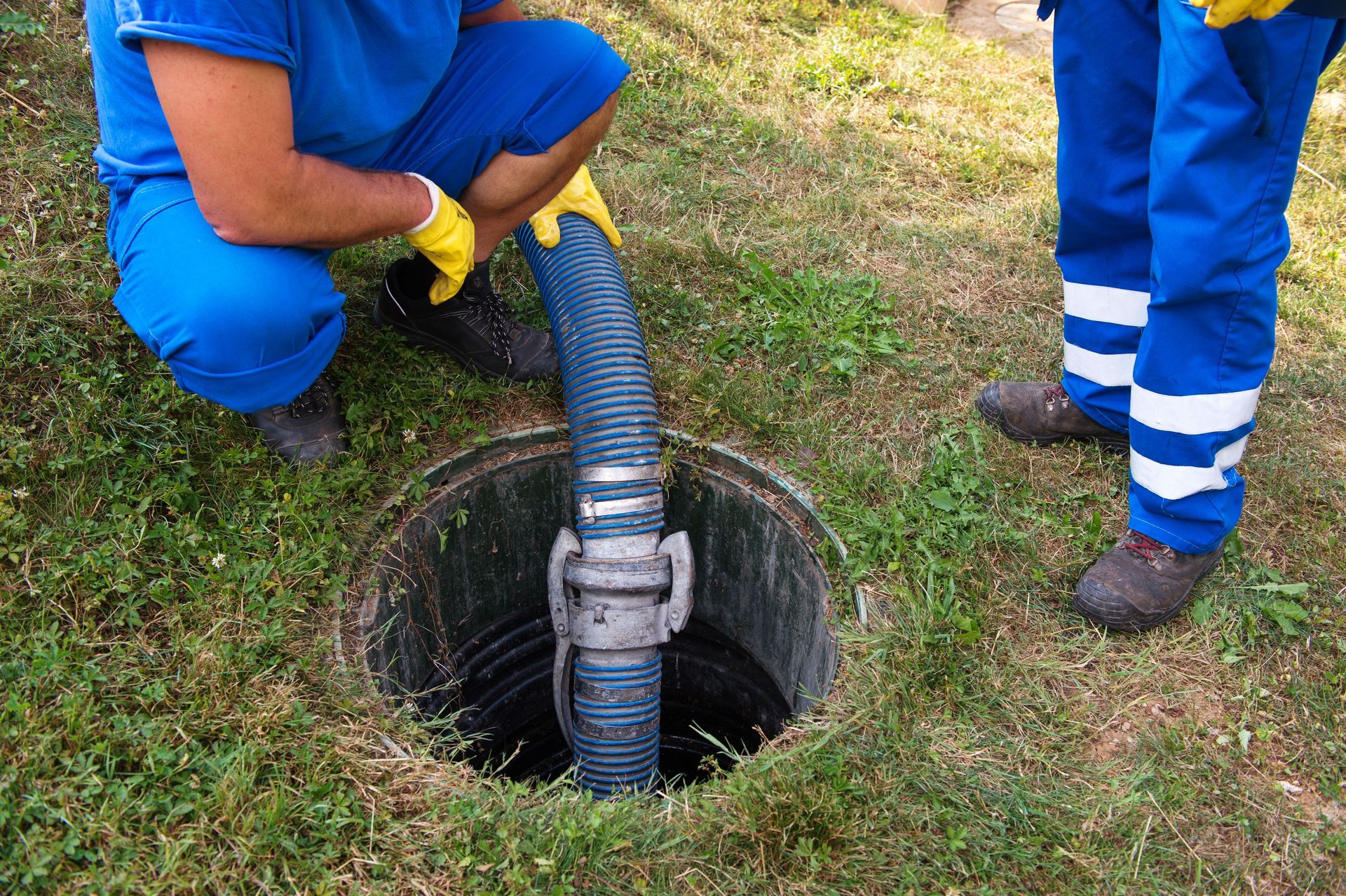
A septic tank naturally collects solid waste as wastewater enters the system. Over time, heavier materials settle to the bottom as sludge, while lighter materials form a layer of scum near the top. The remaining liquid moves through the system for further treatment and disposal.
Without appropriate maintenance, sludge and scum can build up beyond manageable levels. When the tank becomes too full, there is less room for wastewater to move through the system properly. This can contribute to backups, drainage problems, and unpleasant odors around plumbing fixtures or the septic area.
Regular septic maintenance helps keep track of the system's condition and allows accumulated waste to be addressed before it interferes with normal operation. Professional inspections and pumping schedules can be adjusted based on household size, tank capacity, usage, and other factors.
Reduce the Risk of Slow Drains
Slow drains are often one of the earliest signs that something is wrong with a home's wastewater system. A sink, shower, or toilet that drains more slowly than usual may indicate a localized plumbing clog, but multiple slow fixtures can point toward a larger issue.
When wastewater cannot move freely through pipes or the septic system, drainage throughout the home may become noticeably slower. This can happen when solids accumulate, pipes become restricted, or the septic tank is approaching capacity.
According to HomeGuide, drain cleaning generally takes about one to three hours, although blockages in the main sewer line can take longer to resolve than clogs located closer to the opening. This difference illustrates why identifying the location and cause of a drainage problem is important before assuming a simple surface-level clog is responsible.
Consistent septic maintenance can help homeowners address potential problems earlier, reducing the opportunity for small drainage issues to develop into more extensive disruptions.
Control Unpleasant Odors
Foul smells around drains, toilets, or the septic tank should not simply be ignored. Wastewater systems are designed to contain and process waste, so persistent odors may indicate that something is interfering with normal operation.
A full tank, plumbing issue, damaged pipe, or problem with the septic system can allow unpleasant odors to become noticeable. Odors may also appear when gases are not being properly contained or vented.
Regular septic maintenance provides an opportunity to inspect the tank, connections, and related components for signs of trouble. Addressing developing problems can help keep wastewater contained where it belongs and reduce conditions that contribute to persistent odors.
Homeowners should also pay attention to whether smells occur in one particular area or throughout the property. A localized odor may have a different cause than a widespread smell, making professional evaluation useful when the source is unclear.
Protect the Drain Field
The drain field is an essential part of a septic system because it receives treated wastewater from the tank and allows it to be absorbed into the surrounding soil. If the drain field becomes overloaded or damaged, wastewater may have difficulty moving away from the tank.
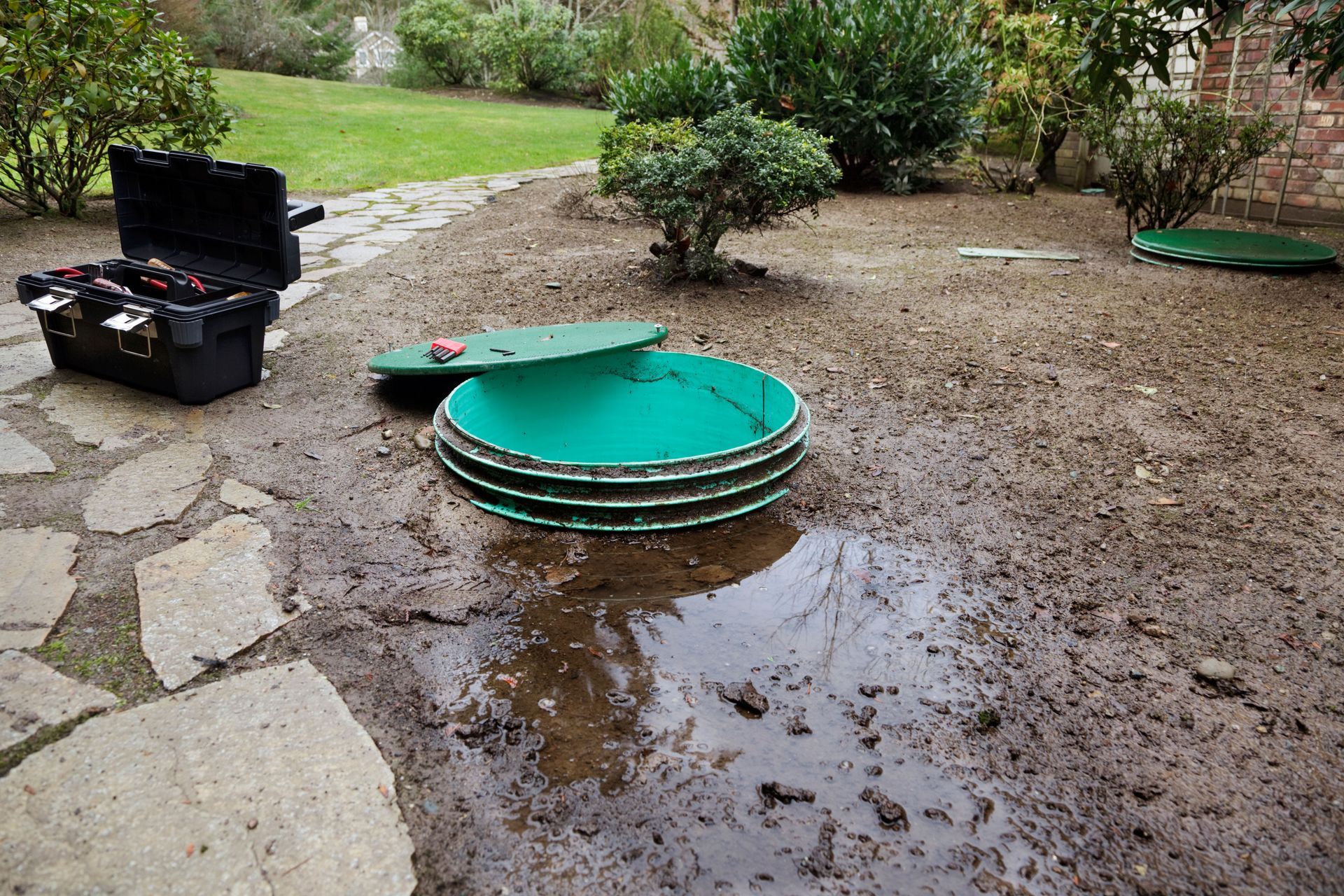
Drain field problems can contribute to wet spots, unpleasant odors, unusually lush vegetation, or slow drainage. Once a drain field has been significantly affected, repairs can be more complicated and expensive than routine maintenance.
Proper septic maintenance helps homeowners monitor the system before problems reach this stage. Pumping the tank when needed, avoiding excessive water use, and keeping inappropriate materials out of the wastewater system can all help reduce unnecessary strain.
Protecting the drain field also means being mindful of what happens above it. Heavy structures, vehicles, and certain landscaping activities may interfere with the area, so homeowners should understand where the drain field is located and keep it appropriately protected.
Keep Plumbing Moving Efficiently
The septic system and household plumbing work together. What goes down the drains can affect both the pipes inside the home and the septic tank outside. Grease, excessive paper products, non-flushable items, and certain household materials can contribute to restrictions or increase the amount of waste the system must handle.
When these materials accumulate, water may move more slowly through the plumbing. Eventually, homeowners may notice gurgling sounds, backups, unpleasant smells, or repeated drain problems.
Good septic maintenance includes paying attention to everyday habits. Only appropriate waste should be flushed, and household drains should not be treated as disposal systems for grease, chemicals, wipes, or other materials that can create problems.
Catch Problems Before Backups
A sewage backup can quickly turn a manageable maintenance issue into a major household disruption. Wastewater may back up through toilets, sinks, showers, or floor drains when it cannot move through the system properly.
Backups can create sanitation concerns and may require professional cleanup in addition to plumbing or septic repairs. Recognizing earlier warning signs gives homeowners an opportunity to investigate before wastewater reaches the living areas of the home.
Routine septic maintenance can help identify conditions that may contribute to backups, such as excessive sludge levels, damaged components, or drainage concerns. Homeowners should take repeated slow drains, unusual odors, gurgling sounds, and wet areas near the septic system seriously rather than waiting for a complete failure.
Extend System Performance
A septic system represents a significant part of a property's wastewater infrastructure. Like other major household systems, it benefits from regular care rather than attention only after something stops working.
Preventive maintenance allows homeowners to understand how their system is performing and identify changes over time. It can also provide an opportunity to discuss appropriate pumping intervals, water usage, drain habits, and warning signs with a septic professional.
Consistent septic maintenance does not guarantee that a system will never experience a problem, but it can support better system management and reduce the risk of avoidable issues. Addressing concerns while they are still manageable can also help homeowners plan for necessary services instead of dealing with an unexpected emergency.
Foul odors and slow drains are often signs that a home's wastewater system deserves attention. While individual plumbing clogs can have simple causes, recurring drainage problems or persistent smells may point to conditions involving the septic tank, pipes, or drain field. Ignoring these warning signs can allow a relatively manageable issue to become a more disruptive problem.
Regular septic maintenance helps homeowners monitor waste levels, protect drainage components, maintain efficient wastewater flow, and identify developing concerns. Combined with responsible household habits and professional inspections, routine care can help a septic system continue performing as intended.
If you are noticing slow drains, unusual odors, or other changes in your wastewater system, contact Howdys Doody Service, Inc to schedule an inspection and determine what maintenance your property may need.